Profound Meaning: How to Find Purpose & Significance
You hit every milestone society tells you to pursue, yet a quiet emptiness lingers. Days blur into a cycle of routine without a sense of real direction. This inner void can drain your energy and joy. But there is a way out. Discovering a profound meaning shifts your perspective from merely existing to fully living with intention.
What Is Profound Meaning?
Profound meaning is a deep, enduring sense that your life matters and connects to something larger than yourself. It goes beyond fleeting pleasure or temporary satisfaction. Dr. Viktor Frankl, a psychiatrist who survived Nazi concentration camps, described this drive as the primary motivational force in humans. He called it the “will to meaning.”
When you possess profound meaning, you wake up with a reason to engage. You navigate setbacks without losing your center. This isn’t a vague spiritual concept. It’s a tangible psychological anchor that researchers can now measure through scales like the Meaning in Life Questionnaire.
The Science Behind Our Need for Purpose
Humans are wired to seek coherence and significance. Self-determination theory identifies purpose as a core psychological nutrient, alongside autonomy and connection. A 2019 study in the Journal of Positive Psychology found that individuals with higher meaning scores showed greater resilience against stress and lower cortisol levels.
Neurologically, a sense of profound meaning activates the prefrontal cortex, helping you regulate emotions and make value-driven decisions. Without it, the brain’s default mode network can spiral into rumination. This isn’t a luxury; it’s a biological imperative. When you align daily actions with what you find deeply significant, your body responds with better sleep, a stronger immune system, and a calmer heart rate.
How Profound Meaning Differs from Happiness
Happiness and profound meaning often get tangled, but they operate differently. Happiness is a transient emotional state tied to getting what you want. Profound meaning is a cognitive and spiritual framework that gives shape to your entire life, especially during hardship. You can be unhappy in the moment—grieving a loss, working a tough shift at a homeless shelter—and still be anchored in profound meaning. The table below highlights the core contrasts.
| Aspect | Happiness | Profound Meaning |
|---|---|---|
| Nature | Fleeting emotion | Enduring sense of significance |
| Focus | Self-gratification | Contribution and connection |
| Response to suffering | Avoids or numbs | Transforms and integrates |
| Source | External events | Internal values and purpose |
| Long-term effect | Adapts quickly (hedonic treadmill) | Deepens with reflection and action |
Historical Perspectives on Life’s Meaning
Thinkers across centuries have wrestled with profound meaning. Aristotle argued for eudaimonia, a life of virtuous activity that fulfills your potential. Stoics like Marcus Aurelius found profound meaning in accepting what you cannot control and acting with justice. Existentialists, including Jean-Paul Sartre, insisted that you create your own meaning in an indifferent universe. These philosophies aren’t dusty museum pieces.
They offer practical lenses today. A parent staying calm during a child’s tantrum practices Stoic discipline. A young entrepreneur launching a social enterprise lives out existential choice. The common thread: profound meaning emerges not from passive waiting but from deliberate engagement with life’s big questions.
Signs You Are Lacking Profound Meaning in Daily Life
Recognizing an absence is the first step. Watch for these signals.
- You feel chronically bored even when busy.
- Small frustrations trigger disproportionate anger or numbness.
- Achievements leave you hollow; you immediately chase the next goal.
- You numb yourself with endless scrolling, overeating, or substances.
- Decisions feel paralyzing because nothing seems truly worth choosing.
- You envy people who speak passionately about their work or causes.
If these resonate, you’re not broken. You’re simply disconnected from a sense of profound meaning, and you can rebuild that link.
The Connection Between Meaning and Mental Health
A life devoid of profound meaning correlates with depression, anxiety, and addictive behaviors. Viktor Frankl’s logotherapy directly targets an “existential vacuum,” the inner emptiness that arises when you lack purpose. Modern research confirms his insights. A meta-analysis in Clinical Psychology Review linked higher meaning in life to lower suicide risk and faster recovery from trauma.
Meaning acts as a psychological immune system. It doesn’t eliminate pain, but it reframes suffering as a chapter in a larger story. Therapists now integrate meaning-centered interventions for cancer patients, veterans, and grieving individuals. The results are striking: even facing mortality, people who hold onto profound meaning report richer emotional lives and less fear.
Profound Meaning Through Relationships and Connection
We often locate profound meaning in the eyes of the people we love. A long-term Harvard study tracking men for over 80 years found that close relationships, not money or fame, were the strongest predictor of a fulfilling life. This doesn’t mean you must be an extrovert with hundreds of friends. One or two deeply authentic bonds can anchor you.
Acts of service—caring for an aging parent, mentoring a struggling teen—generate profound meaning because they shift your focus from self-interest to contribution. Listening fully, without planning your reply, also deepens connection. The next time you share a meal, put away your phone. Notice the difference in your own sense of presence.
Finding Profound Meaning in Work and Vocation
You spend a massive chunk of life working. That’s why framing your job through the lens of profound meaning matters. It’s less about the title and more about the narrative you tell yourself. A janitor in a hospital can see himself as a protector of sick patients by preventing infection. A data-entry clerk can view her accuracy as the backbone of a nonprofit that feeds the hungry. Researchers call this “job crafting.”
You reshape your tasks, relationships, and cognitive view of work. When you link daily duties to a purpose that serves others, burnout recedes and engagement rises. If your current workplace resists that framing, volunteer work or a side project can become your primary vessel of profound meaning.
Spirituality and the Search for Profound Meaning
Spirituality, whether organized or personal, has long provided a container for profound meaning. Monastic traditions use silence and ritual to cut through distraction. Indigenous practices connect the self to ancestors and the land. You don’t need to join a religious institution.
A daily walk where you consciously notice tree roots, bird calls, and cloud patterns can become a form of contemplative practice. Gratitude journaling, a simple five-minute exercise, can rewire your brain to perceive meaning in ordinary moments. The goal is not to adopt someone else’s belief system but to cultivate direct experiences of awe and connection that nourish your inner life.
Practical Exercises to Uncover Your Personal Meaning
Take out a notebook and try these concrete actions this week.
- The 80th-Birthday Speech: Write what you’d want a loved one to say about how you lived. Spot the values that surface.
- Two-Word Purpose: Boil down your deepest motivation to two words. “Heal others.” “Inspire courage.” “Protect wonder.” Use this phrase as a filter for decisions.
- Death Reflection: Contemplate, briefly, that your time is finite. Write down what you’d regret not doing. That regret points directly to profound meaning.
- Ikigai Overlap: Draw four intersecting circles: what you love, what the world needs, what you can be paid for, and what you’re good at. The center is your starting point.
The Role of Suffering and Adversity in Deepening Meaning
Suffering is inevitable. The search for profound meaning doesn’t bypass it; it uses it. Frankl observed that camp prisoners who found meaning in their suffering—a determination to see a family member again or to document the horrors for future generations—survived at higher rates. This isn’t about glorifying pain. It’s about refusing to let pain be sterile. A cancer survivor who starts a support group transforms personal agony into communal hope. A parent who loses a child and channels grief into advocacy creates a legacy. You don’t need a crisis to start. The next time you face a disappointment, ask, “What can this teach me about what I truly value?” That single question plants the seed of profound meaning.
How to Sustain Profound Meaning Over a Lifetime
Meaning isn’t a box you check. It evolves. A purpose that fueled you at 25 might feel hollow at 45. Regular reflection keeps it fresh.
- Quarterly Meaning Audits: Reserve an hour every three months. Review your calendar and bank statements. Do they reflect your stated priorities?
- Mentor Younger Seekers: Teaching others solidifies your own profound meaning.
- Ritualize Micro-Moments: Light a candle before your morning meditation. Raise a silent toast to an absent loved one. Small anchors prevent drift.
- Read Biographies: Learning how others navigated their search for profound meaning provides a map when you lose your way.
Common Misconceptions About Finding Meaning
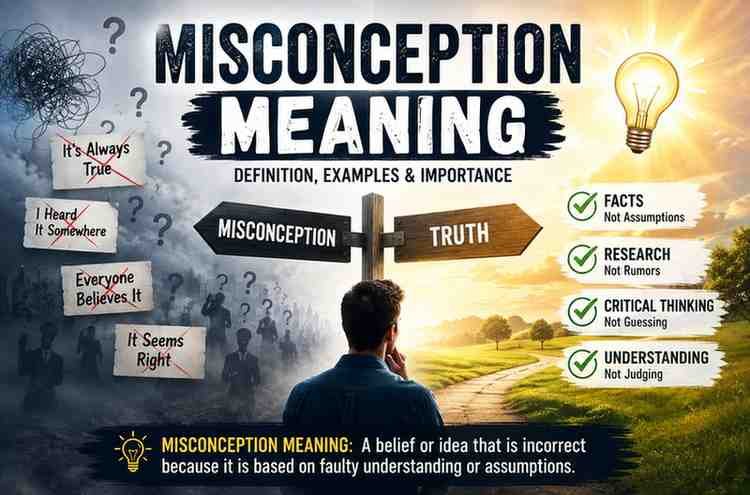
Many people stall because they buy into myths. Let’s clear them up.
- Myth: You must have a grand, world-changing mission. Truth: Profound meaning often lives in small, consistent acts of care.
- Myth: Meaning is found once and stays forever. Truth: It requires ongoing attention and adjustment.
- Myth: Meaning comes from thinking hard about it. Truth: Meaning arises from engaged action, not just introspection.
- Myth: Only deep thinkers or spiritual geniuses experience it. Truth: Every human being has the capacity. You already possess it.
Profound Meaning and Contribution to Society
Your personal sense of profound meaning naturally spills over into the community. When you feel anchored, you become less reactive and more generous. Volunteering at a local food bank, participating in neighborhood clean-ups, or simply mentoring a junior colleague creates a ripple effect. Sociologists call this “social capital,” the trust and reciprocity that strengthen communities. Your quest is never purely private. By healing your own existential void, you reduce the collective burden of apathy and despair. A single person who acts from profound meaning can shift the tone of an entire workplace or household.
Expert Insights: Quotes and Teachings on Life’s Meaning
Here are voices that illuminate the path.
- Viktor Frankl: “Those who have a ‘why’ to live can bear with almost any ‘how’.”
- Carl Jung: “The least of things with a meaning is worth more in life than the greatest of things without it.”
- Helen Keller: “True happiness is not attained through self-gratification, but through fidelity to a worthy purpose.”
These aren’t mere platitudes. They are field notes from people who walked through darkness and found profound meaning waiting on the other side.
Frequently Asked Questions About Profound Meaning
What is the difference between happiness and profound meaning?
Happiness is a temporary positive emotion, while profound meaning is a long-lasting sense of significance that persists even during difficult times. You can be unhappy yet still live a deeply meaningful life centered on purpose and contribution.
Can you find profound meaning after a traumatic event?
Yes. Many people discover profound meaning through what psychologists call post-traumatic growth. By reconstructing your life narrative to include the trauma as a catalyst for new values, you can transform suffering into a source of strength and purpose.
How do I start searching for profound meaning today?
Begin with a single reflection: identify one moment when you felt fully alive and purposeful. Write it down, then ask what value that moment honored. Schedule one small action this week that aligns with that value. Action, not just thought, unlocks profound meaning.
Is profound meaning only found through religion?
No. While religion provides a framework for many, profound meaning also arises from secular sources such as close relationships, creative work, service to others, and personal growth. Spirituality without religion can equally foster deep significance.
Do I need a clear life purpose to experience profound meaning?
You do not need a perfectly defined single purpose. Profound meaning often emerges from daily micro-commitments—loving your family, doing honest work, showing kindness to strangers. Clarity can develop gradually through consistent, values-driven action.
Can my sense of profound meaning change over time?
Absolutely. Your sense of profound meaning evolves as you age, experience loss, and gain wisdom. Regular self-reflection helps you shed outdated purposes and embrace new ones that reflect your current self.