How to Use Paradigm Synonym Choices to Poignantly Transform Your Writing
Every writer eventually hits a wall where their words feel flat. You attempt to convey a monumental shift in thinking, yet the phrasing lands with a quiet thud.
Finding the right alternative for overused academic terms changes everything. It turns abstract concepts into emotional, resonant ideas that stick with your audience.
In this guide, you will uncover exact word replacements and structural secrets. These tools will elevate your messaging, sharpen your professional voice, and help you connect deeply with your readers.
Understanding the Core Meaning of a Paradigm
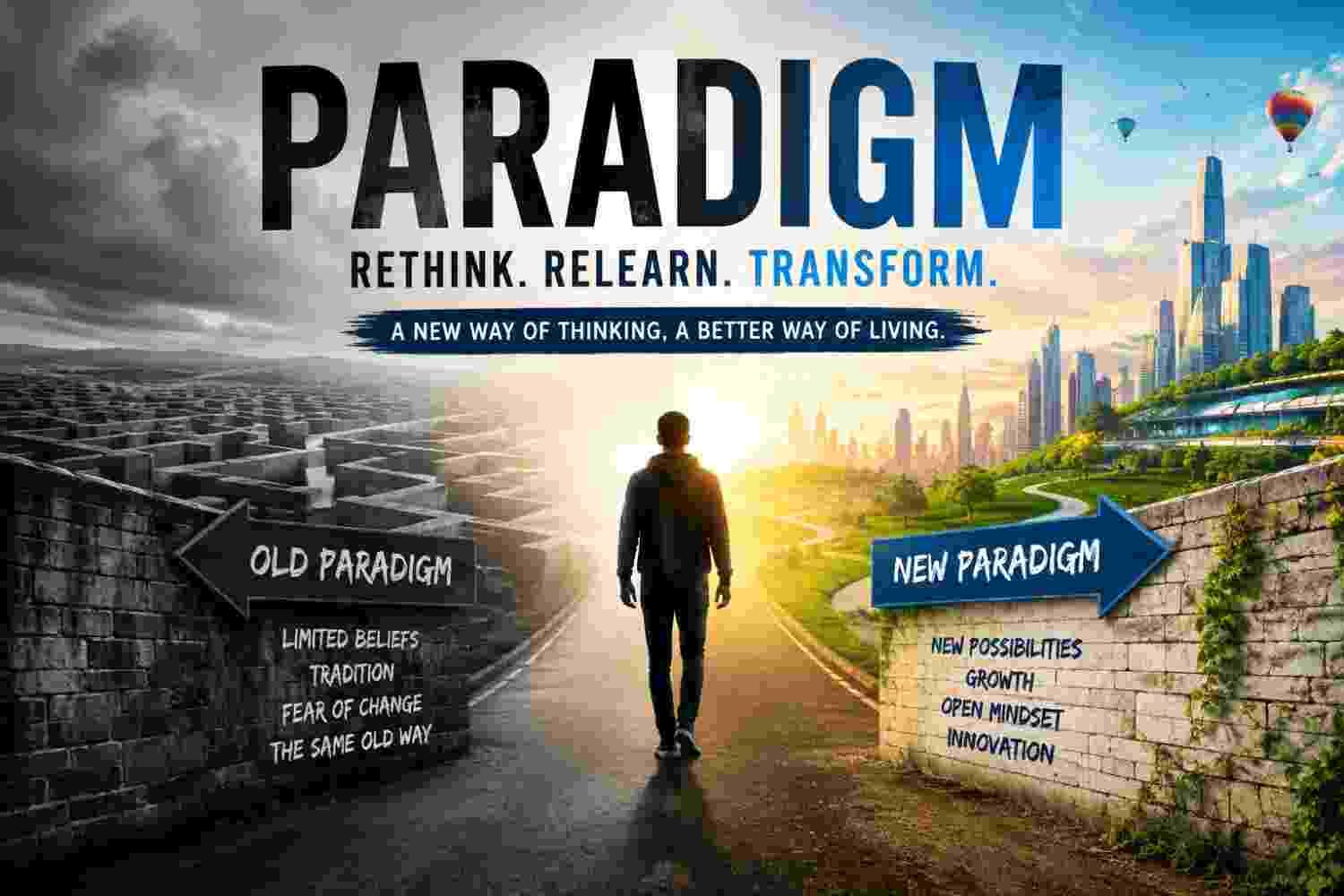
A paradigm represents an entire framework of beliefs, values, and practices that shape how people perceive reality. It acts as an invisible lens through which individuals or entire societies interpret every situation.
When a foundational mindset shifts, it alters every secondary assumption that follows. The old way of operating disappears, making room for an entirely new world view.
Using this word correctly requires recognizing its weight. It is not just an idea or a opinion, but an overarching architecture of thought.
Why Word Choice Matters in Modern Communication
Precision in language prevents misunderstanding and keeps your audience engaged. Repeating the same abstract terminology over and over causes readers to tune out quickly.
Selecting a fresh alternative breathes fresh energy into business pitches, academic essays, and creative stories. It keeps your narrative moving forward with clarity.
Moving Beyond Generic Business Jargon
Corporate reports suffer from heavy jargon that obscures genuine meaning. Terms like “paradigm shift” have been repeated so often that they frequently lose their original spark.
Replacing buzzwords with targeted alternatives makes your writing stand out. Readers appreciate direct language that paints a clear, vivid picture.
7 Powerful Paradigm Synonym Alternatives to Elevate Your Writing
Choosing the best substitute depends entirely on the specific context of your sentence. Distinct words highlight unique angles, ranging from cultural frameworks to individual mental models.
Here is a breakdown of seven top alternatives that bring variety to your vocabulary:
- Framework: Best suited for operational structures, methodologies, and systematic plans.
- Model: Perfect for scalable concepts, business strategies, and repeatable processes.
- Archetype: Ideal for recurring patterns, classic human behaviors, and original templates.
- Perspective: Excellent for personal viewpoints, artistic angles, and individual attitudes.
- Worldview: Great for cultural philosophies, religious beliefs, and overarching life systems.
- Pattern: Suited for repeated habits, data trends, and predictable behavioral cycles.
- Standard: Best for industry benchmarks, quality metrics, and universally accepted norms.
1. Framework: Structuring Your Ideas Clearly
Use framework when you want to emphasize the structural organization of an idea. It implies a solid foundation built to support complex decisions and secondary concepts.
For example, a business operational framework guides daily team workflows smoothly. It focuses heavily on execution rather than abstract philosophy.
2. Model: Demonstrating Functional Logic
Model works best when describing a system that others can imitate or replicate easily. It suggests a working prototype or a proven blueprint for success.
When a startup changes its revenue model, it updates how it captures value. The emphasis here rests on practical execution and visual representation.
3. Archetype: Tapping Into Universal Patterns
Select archetype when referring to a classic, ideal image or symbolic pattern. It carries historical weight and universal recognition across different cultures.
In storytelling, the hero represents a timeless archetype that resonates across generations. It moves past simple logic into deep human psychology.
How to Express Shifts Poignantly for Maximum Reader Impact
Writing poignantly means stirring a quiet, deep emotional response through precise language. It turns a basic factual transition into a memorable human experience.
To express shifts poignantly, you must connect structural changes to real human consequences. Show how a change in thought impacts real lives, feelings, and future outcomes.
Combining strong emotional verbs with accurate vocabulary produces unforgettable prose. It bridges the gap between cold analytical data and genuine empathy.
Step 1: Identify the Emotional Core of the Shift
Before choosing your words, determine what emotional truth sits at the center of the change. A shift from isolation to community carries a totally different weight than a technical update.
Focus on what characters or organizations lose and gain during the transition. Highlight the struggle involved in releasing old, comfortable ways of thinking.
Step 2: Match Tone with Terminology
Pair analytical substitutes with evocative sensory details to ground your message. If you use “worldview,” describe the physical world that this new worldview creates.
This balance prevents your prose from feeling overly clinical or melodramatically soft. Readers receive both clear logical reasoning and genuine emotional resonance.
Step 3: Strip Away Unnecessary Modifiers
Adverbs often weaken strong verbs and precise nouns when overused. Trust your core word selection to deliver the intended impact without extra clutter.
Saying a situation changed instantly creates a stronger mental picture than adding passive descriptions. Let the precision of your vocabulary do the heavy lifting.
Comparing Conceptual Synonym Impact Across Media Types
Different industries require distinct approaches to vocabulary choice. What works inside an academic journal might bore readers of a popular lifestyle blog.
Academic Papers vs. Executive Summaries
Academic writing favors stability, academic history, and strict definitions like “analytical framework.” Researchers need vocabulary that aligns with existing literature and methodology.
Executive summaries demand speed, clarity, and action-oriented terms like “business model.” Decision-makers want to understand impact without wading through complex academic theory.
Creative Writing vs. Public Speaking
Novels and personal essays thrive on rich terms like “worldview” or “archetype.” Creative writers construct narrative emotional depth by exploring personal transformations over time.
Public speakers need short, impactful words like “pattern” or “vision” that hit quickly. A live audience must grasp the message instantly without pausing to decode phrasing.
Frequently Asked Questions
What is the most common paradigm synonym in business?
“Framework” and “model” rank as the most popular business substitutes. They clearly describe operational systems and strategic blueprints without sounding overly academic or vague.
How do I use poignantly in a sentence correctly?
Use “poignantly” to describe actions, statements, or changes that evoke a keen sense of sadness, regret, or deep reflection. For example: “She poignantly described how the community rebuilt after the disaster.”
Can “pattern” completely replace “paradigm” in scientific writing?
Not always. While “pattern” describes repeated observations or trends, it lacks the overarching scope of an entire scientific system, which includes theories and experimental methods.
Why do readers dislike the phrase “paradigm shift”?
The phrase became overused in corporate communications during the late 1990s and early 2000s. Readers often view it as empty corporate jargon used to make minor updates sound monumental.
Which substitute works best for personal growth topics?
“Mindset” or “worldview” fits personal development topics exceptionally well. These terms highlight internal beliefs, individual perspectives, and personal emotional transformations over time.
Transforming Ideas Into Unforgettable Words
Mastering your vocabulary involves far more than memorizing entries in a thesaurus. It requires matching the exact tone of your message with the needs of your audience.
Swapping out tired buzzwords for precise alternatives keeps your communication clean, compelling, and memorable. You move past generic corporate speak into writing that delivers real impact.